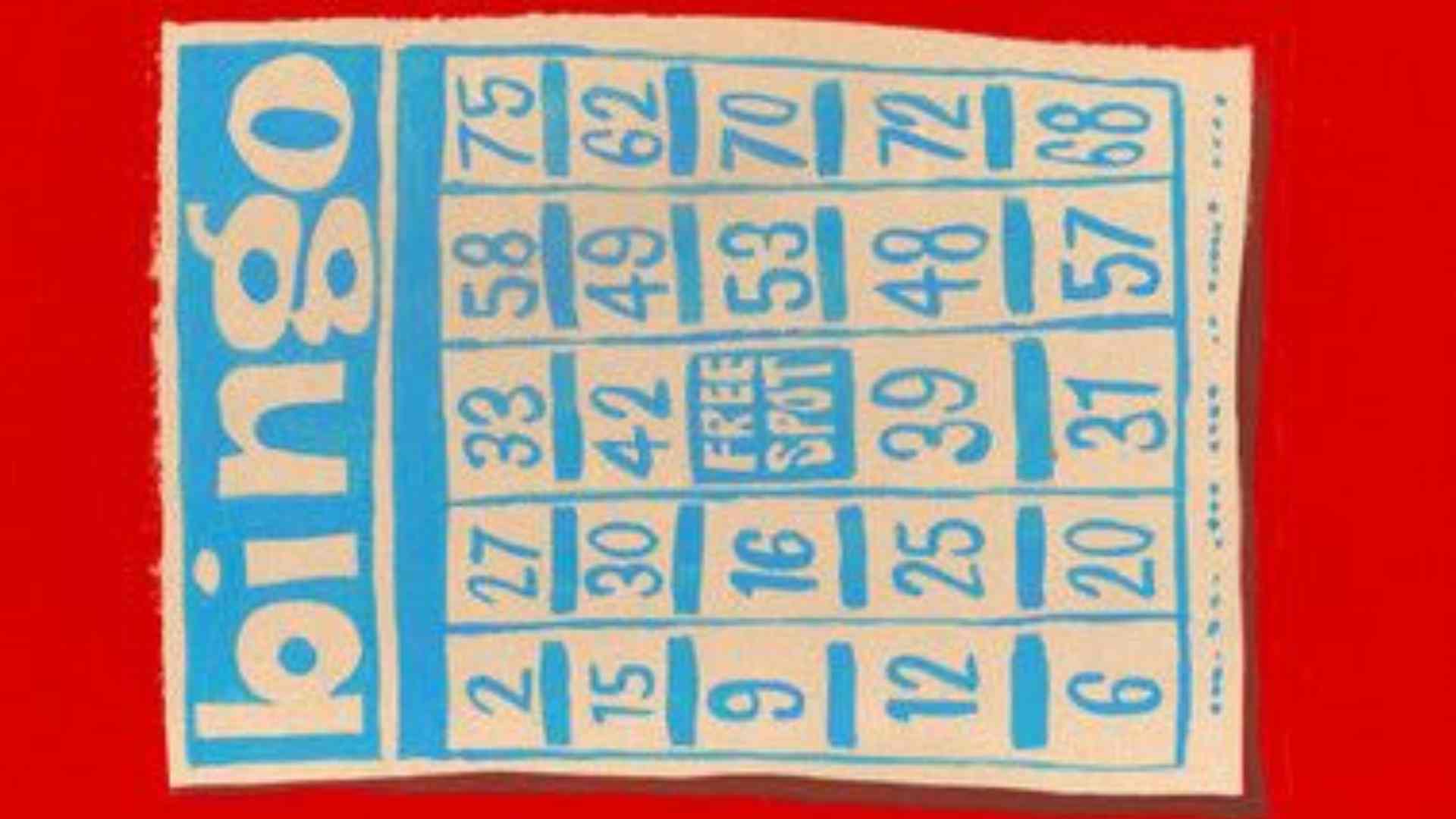
Participating in lottery draws is primarily a game of chance, but relying on deliberate strategies during selection can improve your overall experience. While no method guarantees a jackpot, understanding mathematical probability helps players make more logical choices when filling out their tickets. Approaching the selection process with structure allows participants to avoid common pitfalls associated with random guessing.
Understanding Mathematical Randomness and Odds
Every number combination in a standard lottery draw has an equal statistical probability of being selected. Despite this mathematical truth, many players fall into patterns by picking sequences like consecutive numbers or birthdates. Recognizing that past outcomes do not influence future draws is fundamental to developing a realistic perspective on lottery gaming.
By spreading choices across the entire range of available numbers, players avoid artificial limitations imposed by calendar dates. Selecting numbers higher than thirty-one ensures that your combination covers the full spectrum of possibilities. This simple adjustment keeps your selection balanced without reducing the intrinsic odds of any individual number being drawn.
Avoiding Common Selection Patterns to Maximize Payouts
Many lottery participants select visual patterns on ticket grids or choose popular sequences like multiples of five. When these common patterns win, the prize pool must be shared among a significantly larger number of winners. Choosing less popular, non-sequential combinations reduces the likelihood of splitting potential winnings with other players.
Exploring resources on gaming strategies and digital platforms such as m88 can offer broader context on how probability functions across different gaming formats. Applying systematic thinking helps individuals remain disciplined rather than relying purely on superstition. Making unique combinations ensures that if your numbers hit, your share of the prize remains as high as possible.
The Value of Statistical Balance in Combination Building
A balanced ticket usually contains a mix of both odd and even numbers rather than relying exclusively on one type. Statistically, winning draws rarely consist entirely of odd or entirely of even digits. Aiming for a relatively equal split between high and low numbers aligns your ticket with historical distribution trends.
Calculating the sum of your chosen numbers is another analytical method used by experienced participants. Most winning combinations fall within a specific middle range of total sum values unique to each game type. Keeping your combination within these typical statistical boundaries offers a more structured approach to ticket preparation.
Managing Expectations and Responsible Participation
Smart number selection focuses on optimizing potential payouts and maintaining organized gameplay rather than altering mathematical odds. Treating lottery participation as a form of entertainment ensures that players keep their financial limits in perspective. Establishing a consistent budget prevents overspending while allowing participants to enjoy the process safely.
Ultimately, a practical approach to number selection combines awareness of probability with disciplined gaming habits. Utilizing structured combinations helps eliminate emotional bias during the decision-making process. By staying informed and playing responsibly, participants can engage with lottery draws in a controlled and deliberate manner.