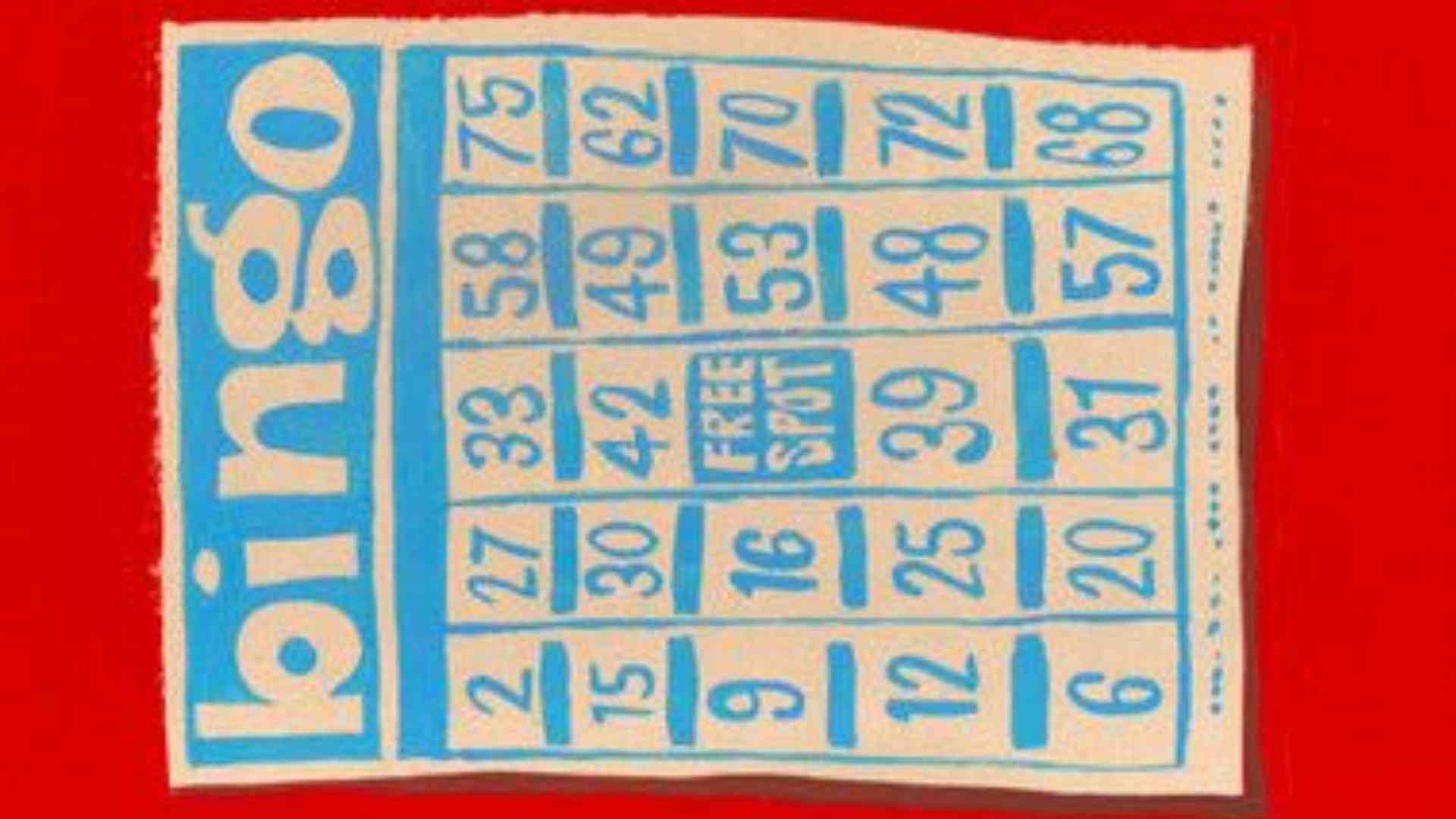
Lucky draw promotions have long been a popular marketing tool used by companies to boost engagement and reward customer loyalty. However, the true value of these campaigns relies entirely on the integrity of the drawing system itself. When businesses prioritize transparent mechanisms, they foster a deeper sense of trust and security among their audience base.
The Core Elements of Algorithmic Fairness
Modern digital giveaways rely heavily on specialized random number generators to determine winners without human bias. These programmatic systems must be regularly audited by independent third parties to verify that every single entry receives an equal mathematical chance. Without these stringent technical standards, promotional events can easily suffer from public skepticism and legal scrutiny.
Transparency also means publishing clear eligibility requirements and winner validation terms well ahead of the entry deadline. When participants clearly understand how the selection process functions, they feel much more comfortable engaging with the brand. This structural clarity serves as the foundation for ethical digital marketing operations globally.
Building Consumer Trust Through Open Validation
Trust is an essential asset for any digital platform offering promotional incentives or randomized rewards to its user community. Many modern organizations now live-stream their random selection drawings or utilize cryptographic verification tools to prove total transparency. This proactive approach eliminates concerns regarding favoritism or administrative manipulation during the final selection phase.
For example, gaming enthusiasts who value verified compliance often seek out established regional operators. Exploring platform reviews for trusted systems like m88 mansion indo provides excellent baseline metrics for evaluating promotional transparency. Ensuring fair play remains the most reliable method for maintaining healthy community engagement over the long term.
Preventing System Manipulation and Abuse
Implementing a fair promotional draw also requires protective measures to prevent malicious actors from exploiting the entry systems. Automated scripts, duplicate accounts, and database exploits can quickly skew the odds against legitimate corporate consumers. Organizations must deploy advanced verification techniques, such as phone authentication or unique receipt scanning, to maintain an even playing field.
When bad actors are successfully filtered out of the database, honest participants are directly rewarded with better statistical odds. This enforcement of campaign rules protects the brand reputation while ensuring that prizes reach deserving winners. Maintaining absolute security is just as critical as selecting the software algorithms that drive the randomized results.
The Longevity of Ethical Promotional Campaigns
Prioritizing fair play in corporate marketing campaigns creates sustainable relationships that benefit both the business and the consumer. Audiences are naturally highly loyal to brands that consistently demonstrate integrity and transparency in their promotional activities. This positive reputation drives higher organic engagement rates during subsequent marketing cycles.
Ultimately, randomized drawings should be designed as mutually beneficial interactions rather than superficial marketing gimmicks. When an organization treats its community with respect, the overall value of the promotion multiplies significantly. Ethical standards will continue to define the future of digital audience engagement.