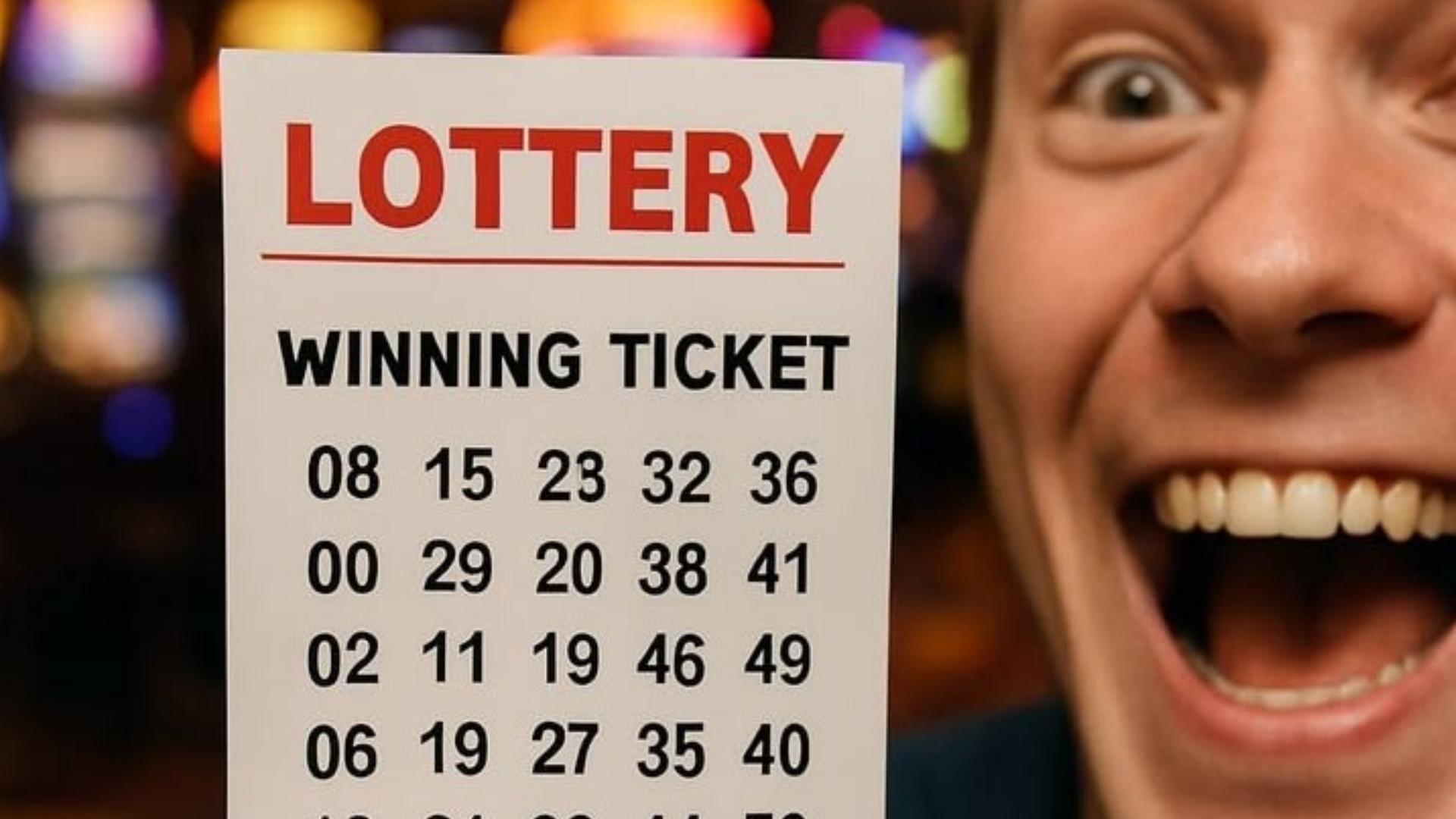
Modern video games are shifting toward fluid operational structures to capture player attention in an increasingly busy digital landscape. By incorporating unpredictable prize structures, developers can transform routine play styles into dynamic sessions that feel completely unique to every user. This approach ensures that short playthroughs remain just as exciting and fulfilling as prolonged competitive marathons.
The Psychology of Shorter Play Sessions
As modern lifestyles become more fast-paced, players frequently look for quick gaming sessions that offer immediate engagement. Random reward architectures are uniquely suited for this model because they introduce an element of surprise within constrained timeframes. The anticipation of an unexpected drop triggers heightened engagement even during brief moments of daily interaction.
Behavioral research indicates that variable reinforcement schedules maintain high enthusiasm levels far better than static progression achievements. When a digital system provides a completely guaranteed outcome, the excitement of discovery can quickly fade into routine monotony. Introducing elements of chance guarantees that no two consecutive gameplay loops feel exactly identical to the participant.
Balancing Chance with Player Agency
Creating an optimized experience requires game designers to carefully calibrate their algorithmic drop systems to prevent community fatigue. If the probability of obtaining rare items is set too low, casual participants might feel alienated and abandon the application entirely. Conversely, distributing high-tier items too generously can destabilize the internal virtual economy and lower long-term engagement value.
To maintain a high level of community trust, developers are increasingly turning to transparent allocation models that outline specific drop odds clearly. Enthusiasts who enjoy analyzing complex digital platforms can check out the modern systems at m88 mansion indo to observe how probability models operate in structured entertainment environments. Providing this algorithmic clarity ensures that players feel respected rather than manipulated by randomized internal mechanics.
Designing for Unpredictable Environments
Dynamic gameplay sessions rely heavily on the environmental context in which these surprise assets are discovered. When developers distribute random bonuses across changing maps or during spontaneous events, it encourages players to thoroughly explore virtual spaces. This structural choice shifts the focus away from repetitive grinding toward active exploration and tactical adaptability.
Furthermore, these unpredictable setups cater effectively to diverse player archetypes within the same community ecosystem. Hardcore players can focus on optimizing their strategies to maximize efficiency, while casual users enjoy the sudden thrill of unexpected windfalls. This dual appeal creates a highly inclusive environment where different playstyles can thrive side by side sustainably.
Long-Term Impact on Live-Service Retention
The strategic implementation of dynamic drops serves as a primary driver for sustaining active player bases over multiple operational years. Temporary campaigns and seasonal live-service updates utilize surprise milestones to bring lapsed community members back into the core interactive loop. This ongoing cycle of unpredictable drops ensures the game environment remains lively, highly relevant, and economically viable.
Ultimately, combining predictable progression milestones with unpredictable elements creates a highly satisfying gameplay ecosystem for contemporary audiences. When players feel their skill is recognized alongside moments of pure surprise, their overall emotional investment increases dramatically. As interactive technology continues to mature, this balanced design framework will remain central to building successful digital ecosystems.